
While carbon dioxide accounts for 75% of the greenhouse gases considered the root cause of global warming, the global warming potential of methane is actually around 25 times higher than that of carbon dioxide. Wetlands and cattle burps are known sources of the gas, but approximately 10% of global methane emissions and around 40% of those in Japan stem from rice paddies. Countries throughout Asia engage in wet-rice farming, and given that their populations are increasing, we cannot ignore methane emissions from rice paddies. There is no time to lose in developing technology that increases yields while curbing methane emissions, in order to achieve sustainable rice production.
Special Feature 1 – The Agricultural Revolution Developing technology to increase yields while curbing methane emissions
composition by Yumi Ohuchi
illustration by Rokuhisa Chino
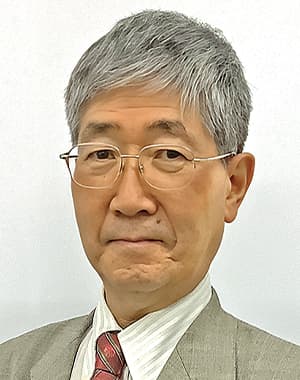
Kazuyuki Inubushi
Professor, Faculty of Applied Bioscience, Tokyo University of Agriculture
In 1984, he successfully completed postgraduate studies in agricultural chemistry at the University of Tokyo’s Graduate School of Agriculture and was awarded a Ph.D. in Agriculture. He took up his current position in 2022, having previously held posts including graduate fellow at the International Rice Research Institute, research assistant at the University of Tokyo, assistant professor at Mie University, Japan International Cooperation Agency (JICA) technical expert in the Faculty of Agricultural Water and Environment Management at Hungary’s Tessedik Sámuel College, professor at Chiba University, and Vice Dean of Chiba University’s Faculty of Horticulture. He is Professor Emeritus and Grand Fellow of Chiba University. He also serves as an associate member of the Science Council of Japan, among others. His research interests are circular agriculture and the role of soil, as well as greenhouse gas metabolism and soil fertilizers.
The greenhouse gases that cause global warming include carbon dioxide (CO2), methane (CH4), and nitrous oxide (N2O). Carbon dioxide accounts for the highest volume of total greenhouse gas emissions, followed by methane. Although methane accounts for a smaller share of emissions, at around 18%, compared with approximately 75% for carbon dioxide, its global warming potential——which indicates its impact on warming——is about 25 times that of carbon dioxide. As such, we certainly cannot ignore its warming effect.
Around 40% of Japan’s methane emissions stem from rice paddies
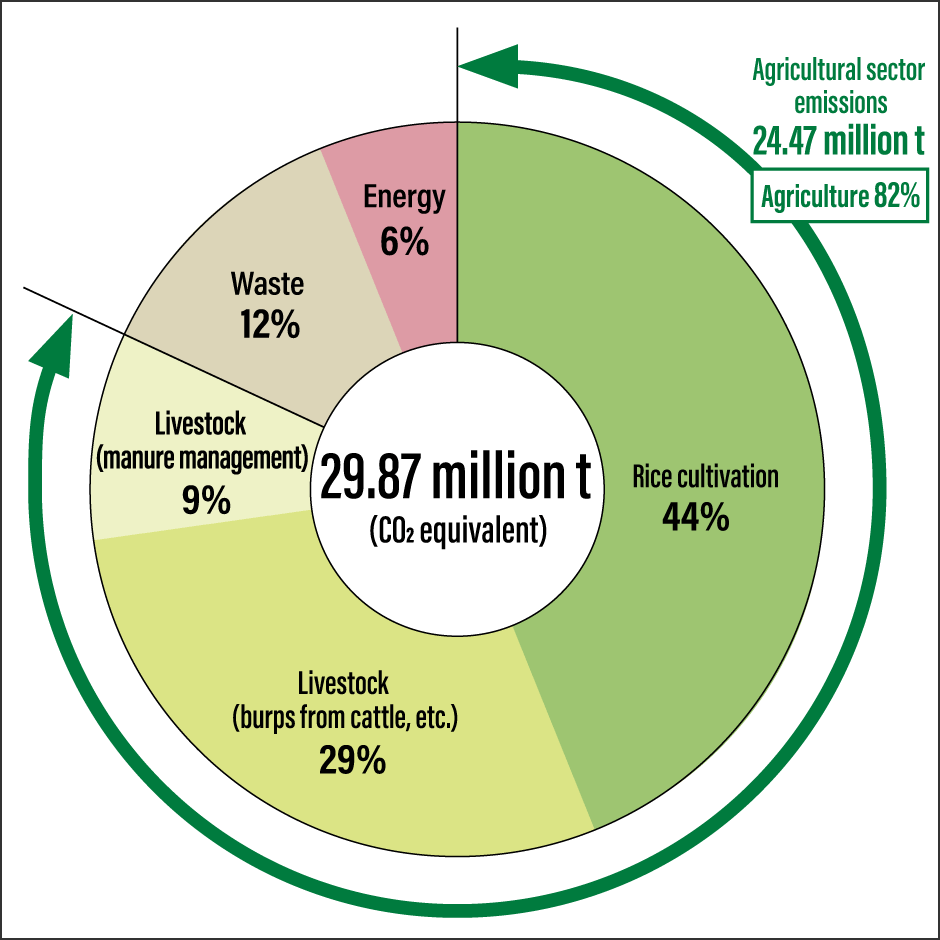
Aside from wetlands and reservoirs, the main sources of methane are burps from cattle and other ruminants and rice paddies, which means this gas is closely connected to our diet. Around 10% of the methane generated from global industrial activities is thought to stem from rice paddies; in Japan, which produces a great deal of rice, this share is as high as approximately 40% (Figure 1). Rice is a staple food not only in Japan but also for more than half the world’s population. Given that the land area occupied by rice paddies is increasing, particularly in Asian countries where the population is growing, methane emissions are on the rise worldwide. Curbing methane generation is a pressing issue for enabling sustainable rice production in harmony with the global environment.
 Compiled on the basis of National Institute for Environmental Studies, National Greenhouse Gas Inventory Document of JAPAN (2024).
Figure 1. Share of methane emissions by sector in Japan (FY2022)Rice cultivation accounts for the largest share of Japan’s methane emissions, at 44%, followed by emissions from livestock burps and from livestock manure management.
For centuries, people in Japan have known from experience that rice paddies emit some kind of gas that has an adverse impact on rice plant growth, and they had a specific name for the bubbles that rise from rice paddies: “waki.” These waki contain high concentrations of methane, but methane itself is harmless to rice plants and the human body alike; the toxic substance is the hydrogen sulfide generated along with the methane. The generation of these gasses is the result of microorganisms in the soil breaking down organic matter (carbon-containing compounds). Before the problem of greenhouse gases emerged, research on rice paddy soil was conducted to ascertain why they generated methane, and this research revealed the following mechanism.
There is no methane without water
A diverse array of microorganisms exists in soil, but when rice paddies are filled with water, the oxygen in the soil decreases, activating some archaea capable of surviving in an anaerobic environment, which then produce methane. The methane produced mainly travels via the spaces in the rice plant stems and roots through which air usually passes, and is discharged into the atmosphere through the leaf blade (the central part of the leaf) and the leaf sheath (the part that connects the blade to the stem), with some discharged as bubbles (Figure 2-A).
- *Archaea: The collective term for a domain of prokaryotes distinct from bacteria, consisting of microorganisms that grow in extreme environments, such as those with high temperatures or high salt concentrations. There are known to be at least 100 types of archaea, including methanogens and extreme halophiles.
In other words, without water, there is no methane, either (Figure 2-B). This is why Japanese farmers are increasingly employing a measure known as nakaboshi, or midseason drainage. Midseason drainage is a water management method that involves draining the water at around the maximum tiller number stage (the time when the number of grain-bearing stems is at its highest) in order to dry out the soil. As it takes place during the hottest part of the summer, it is also called doyoboshi, or midsummer drainage. Originally thought to promote root growth and resilience by curbing toxic substances, such as hydrogen sulfide and organic acids, midseason drainage has been adopted as a process in ordinary rice cultivation.
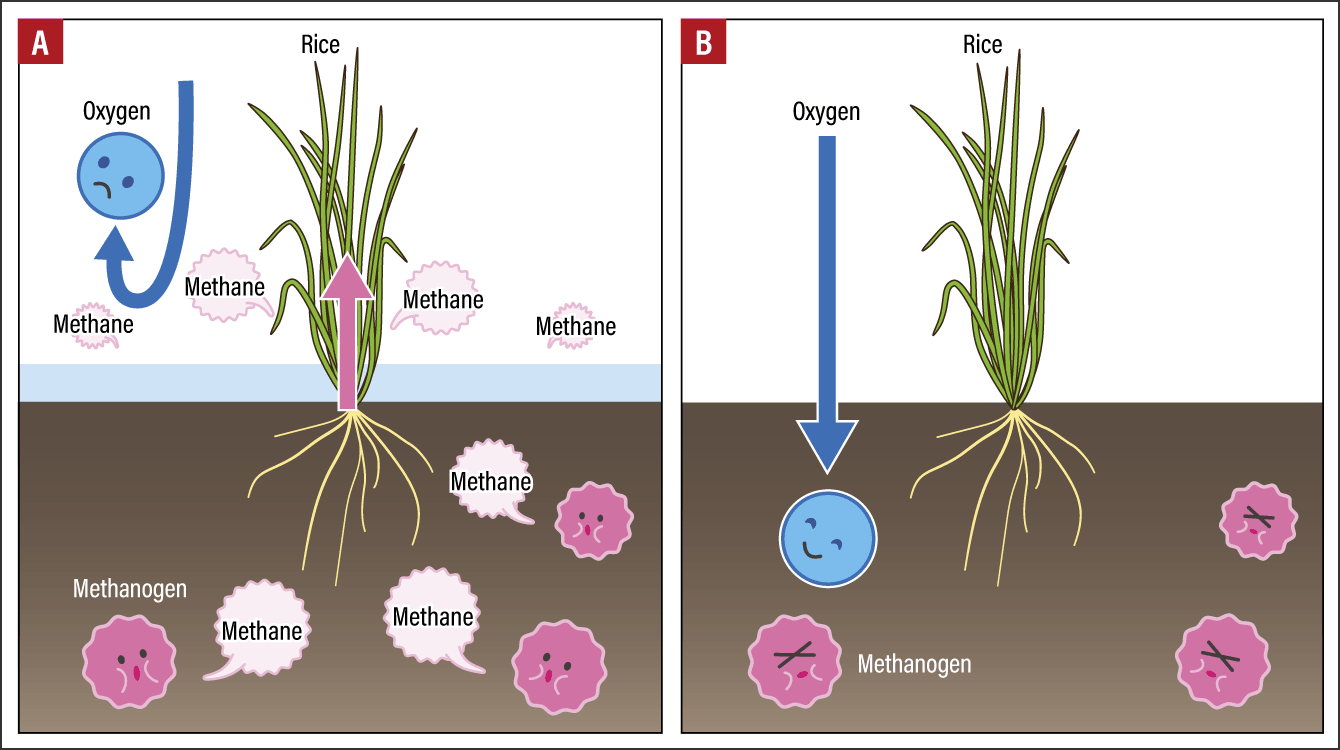
Figure 2. Methane generation, oxidation, and emission in rice paddiesIn soil with little oxygen, methanogens (a type of archaea) produce methane. This methane passes through air spaces in the plant and is emitted from the leaf blade and sheath.
The duration of midseason drainage varies from one region to another, but it generally lasts around a week. Field experiments led by the National Institute for Agro-Environmental Sciences (now the National Agriculture and Food Research Organization) revealed that extending this period can reduce the volume of methane generated. In these experiments, the usual duration of midseason drainage was adjusted to 3–14 days (6 days on average), either by starting earlier or finishing later, at nine locations across Japan, from Yamagata Prefecture in the north to Kagoshima Prefecture in the south, and the research team measured the volume of methane emissions. The closed-chamber method was used to measure emissions; this involves placing a box over the rice plants to create a sealed space and then measuring the methane concentration. The results showed that the volume of methane generated during the midseason drainage period and after the paddies were refilled with water was much lower than at sites where conventional midseason drainage was carried out; the emissions per crop was reduced by as much as 30% on average.
However, it has been reported that this effect was only seen at sites where rice straw or wheat straw was plowed into the soil as fertilizer, and that little methane reduction effect was seen at other sites. While rice and wheat straw are effective fertilizers, they are known to increase the volume of methane generated because they are readily broken down by microorganisms.
Although some sites saw an increase in rice yield, others saw a decline, with yields falling by 3% on average overall. As yield is of paramount importance for producers, this suggests the need to set appropriate midseason drainage extension periods tailored to the region and variety. With regard to rice quality, extending midseason drainage was reported at most sites to have increased the percentage of mature grains compared to ordinary midseason drainage, and was also associated with a decrease in protein content. Generally speaking, rice with a lower protein content tends to taste better.
It is not the case that merely curbing methane in this way is enough. Methane is curbed when the soil is in an oxidized state, but this conversely causes the volume of carbon dioxide and nitrous oxide to increase. However, it is thought that the effect of reducing methane is greater than the impacts of increased carbon dioxide and nitrous oxide. An increase in nitrous oxide was also seen in these field experiments, but was reported to be at an unproblematic level.
What can become a problem at the same time is the leaching into the soil of cadmium, which is toxic to the human body, when it becomes increasingly oxidized. There is a possibility that this could be absorbed by the rice plants, thereby increasing the cadmium concentration in the rice grains. When soil has a high concentration of cadmium and other heavy metals, it is necessary to assess the features of the soil in question, bearing in mind the impact of midseason drainage.
Despite these trade-offs, extending the duration of midseason drainage definitely has the effect of reducing methane generation. It is preferable to move forward with measures based on the specific circumstances of each region. Aside from extending the duration of midseason drainage, there are also other measures known to have a methane-reducing effect: intermittent irrigation, in which the rice paddy is repeatedly flooded and drained during the rice cultivation period; and subsurface drainage, which involves constructing drainage channels under the ground to improve drainage.
Developing a method that uses steel slag as a fertilizer
As stated above, making rice production sustainable is not an issue for Japan alone. Over the years, I have conducted a range of field experiments not only in Japan but also in other Asian countries. For example, in India, when we trialed a water-saving cultivation method based on repeatedly irrigating and then draining rice paddies, rather than leaving them filled with water, we succeeded in reducing methane emissions to about one-half to two-thirds of the level observed when the paddies were continuously flooded.
However, techniques such as midseason drainage and water-saving cultivation require meticulous water management and are only possible where irrigation facilities have been developed. In many areas in Southeast Asia, irrigation facilities have not been developed and there is no guarantee that water will always be available. In such areas, there is considerable anxiety about water being cut off, so measures based on water management are infeasible.
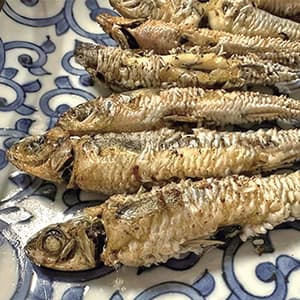
Accordingly, we developed a method that uses steel slag as a fertilizer and have trialed it in rice paddies in Thailand, Indonesia, the Philippines, and Vietnam since 2007. Steel slag is a byproduct of the steelmaking process; its principal components are lime and silicon dioxide (silicate), and it also contains compounds such as iron oxide (Figure 3). In Japan, it has also been used as a silicate fertilizer in rice cultivation, with its various effects including the improvement of acidic soil and the prevention of lodging (plants leaning excessively) and fallen ears.
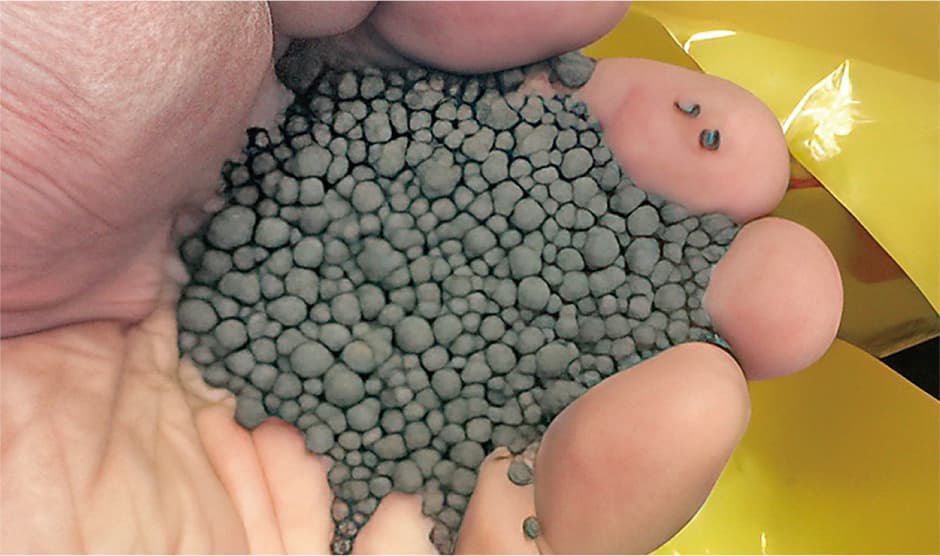
Figure 3. Steel slag (silicate fertilizer)Steel slag is used as a fertilizer in Japan as well. This also contributes to the effective use of unused resources.
The oxygen reduction process in rice paddy soil holds the key to why steel slag curbs methane generation. The area near the soil surface still has a small amount of oxygen even when covered with water, so microorganisms that live in oxygenated environments are active and produce carbon dioxide. These microorganisms are activated by iron oxide (ferric iron) in the soil. Once oxygen disappears over time, the iron oxide turns into unoxidized ferrous iron. As more time passes, methanogens (methane-producing archaea) are activated and generate methane.
In other words, methane is produced in the final stage of the oxygen reduction process, and we know that when the soil is rich in iron oxide, carbon dioxide increases, inhibiting methane generation. In experiments using soil from Thailand, Indonesia, the Philippines, and Vietnam, we also confirmed that the higher the iron content, the lower the volume of methane emitted.
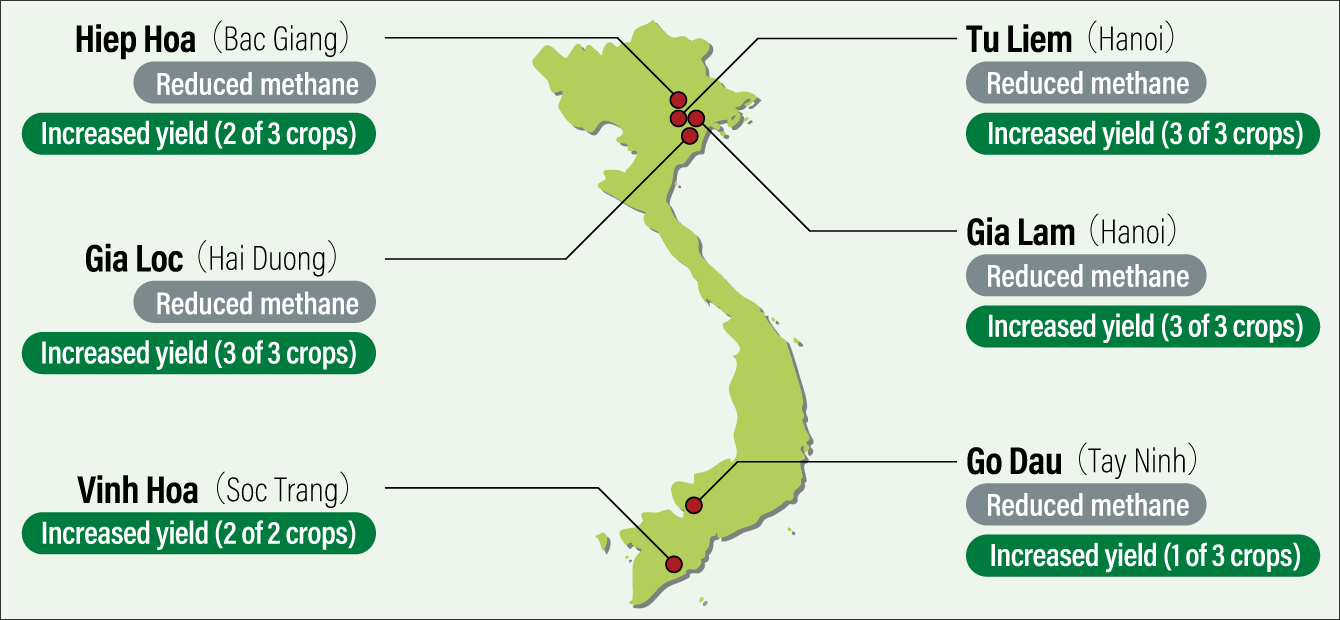
In a field experiment conducted in Vietnam, we spread steel slag on rice paddies before filling them with water and then regularly measured the methane concentration using the closed-chamber method after planting the rice seedlings. The results showed that methane emissions declined in 11 of 17 crops in six regions, compared with sites where steel slag was not used; while there were differences between summer and spring, the methane reduction effect was in the range of 20–40% (Figures 4 and 5). In addition, its effect as a fertilizer was also confirmed, with yield increasing in 14 of 17 crops.
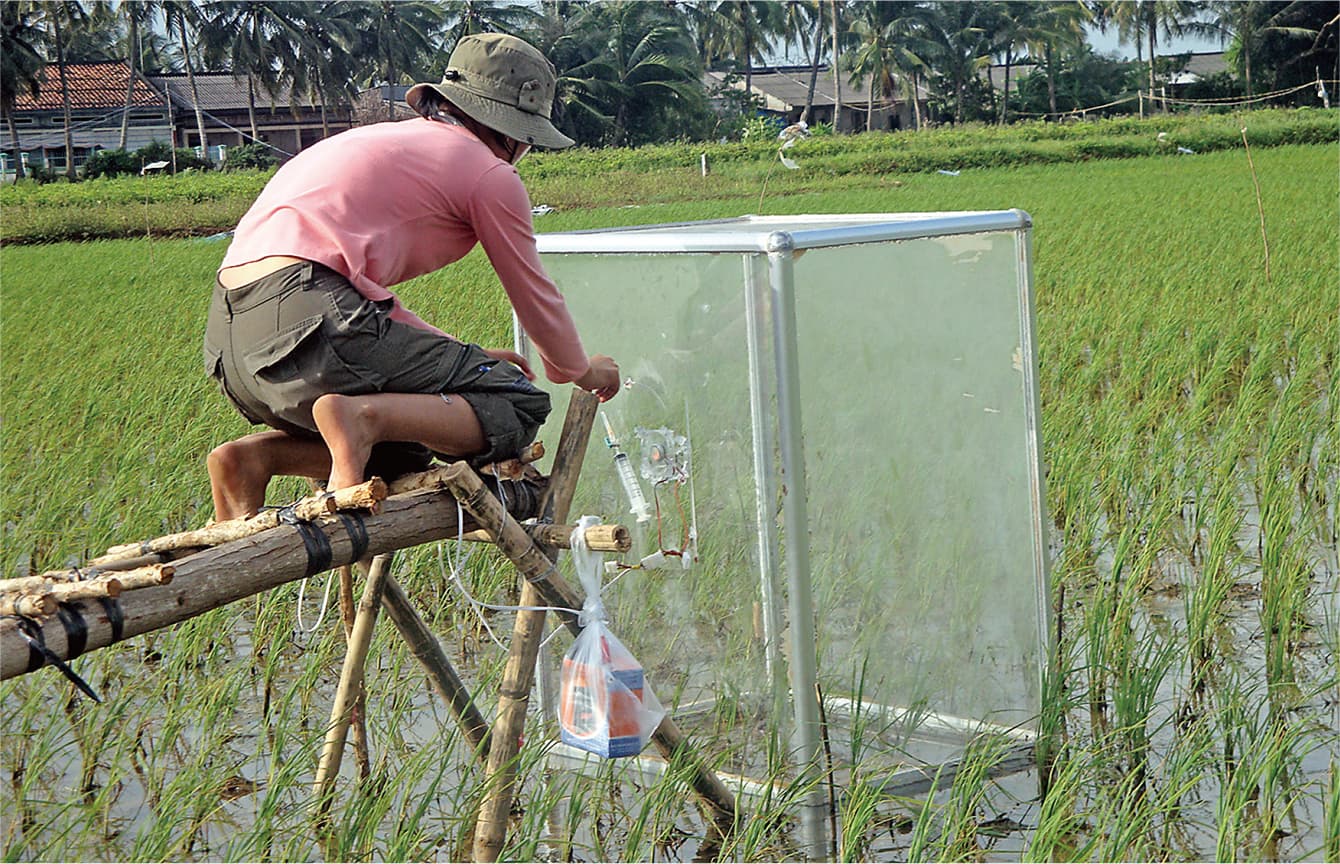
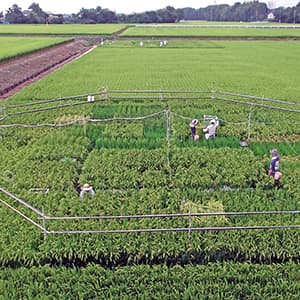
Figure 4. Collecting gas in a Vietnamese rice paddyAs walking on the rice paddy causes oxygen to enter the soil and inhibits methane, the research team built a bridge-like walkway and used a chamber to measure methane concentrations.
 Compiled on the basis of Ito, K. Nippon Steel & Sumitomo Metal Technical Report No. 399, 148-152, 2014; and Kazuyuki Inubushi. Soil Science and Plant Nutrition, Vol. 67 No. 1, 1-9, 2021.
Figure 5. Impact of steel slag on methane emissions and yieldMethane emissions and yields at four sites in northern Vietnam and two sites in southern Vietnam. Some regions showed no methane reduction effect, and in some cropping seasons, yields did not increase.
Methane remains in the atmosphere for only a short time
On the other hand, there were also regions where yield did not increase much or even decreased. Investigation of the soils in those regions revealed that they already had a high silicon dioxide content. From this, we infer that the fertilizer would not be effective in reducing methane or increasing yield in soils with high levels of silicon dioxide, lime, and iron. In addition, it could disrupt the balance of organic matter in the soil, with adverse impacts on the crop; for instance, increasing the amount of lime beyond what is necessary could cause the soil to become excessively alkaline. As such, I believe it is vital to investigate the properties of the soil before taking such action.
Furthermore, as steel slag may contain toxic substances, quality control is crucial. With the cooperation of a major Japanese steelmaker, we used high-quality steel slag that was effective as a fertilizer for the field experiments in Vietnam, and had the slag certified by the Vietnamese government.
I believe the most effective approach is to address the issue by extending the midseason drainage period in regions where irrigation facilities similar to those in Japan have been developed, and to use steel slag in regions where water management is infeasible. Given that methane remains in the atmosphere for a much shorter time than other greenhouse gases, approximately 10 years, the effects of these measures should quickly become apparent, so these measures may be regarded as a trump card in reducing greenhouse gases.
At the same time, it is a fact that methane reduction measures impose a burden on producers. The government has a system of grants for those who extend midseason drainage.
Midseason drainage is also eligible for the J-Credit Scheme, under which the Japanese government certifies the amount of greenhouse gas emissions reduced. This enables producers to earn revenue by selling their certified credits to companies and other entities.
Although these domestic initiatives are important, I believe there is a need to pursue efforts on a global scale through partnerships with international research institutions and other countries. Since returning to their home countries, international students whom I have taught have been working on methane reduction measures, including the use of steel slag, and I am keenly aware of the importance of building interpersonal networks.
Rice is a part of our food culture that sustains our health, and it is probably fair to say that many of us have cherished memories of verdant rice paddies as an iconic landscape. Affected by climate change, rice yields have an impact on retail prices and therefore affect our lifestyles. We need methane reduction measures to maintain a stable supply of rice.
In June 2025, Japan launched the Global Observing SATellite for Greenhouse gases and Water cycle (GOSAT-GW). This satellite can measure greenhouse gases worldwide. While keeping an eye on the results of its observations, I intend to continue pursuing my research, with the aim of not only reducing methane but also improving the growth of rice plants and the yield, quality, and flavor of rice itself.
(Figures courtesy of Kazuyuki Inubushi)