
Measures based on past examples no longer suffice. Climate change-induced disasters are already more frequent and severe than had been envisaged, exceeding the thresholds that can be tolerated by human society. How should we prepare to face this reality? The Climate Change Adaptation Act, aimed at promoting adaptation measures, stipulates that national and local governments, businesses, and citizens should work together to implement such measures. Another reason why we must take effective adaptation measures without delay is to ensure that the next generation can enjoy comfortable lives. Initiatives grounded in scientific knowledge are being implemented across Japan.
Special Feature 1 – Climate Change and Health Risks Our empirical rules no longer suffice!
The urgent need for society to unite on adaptation measures
composition by Yuko Watanabe
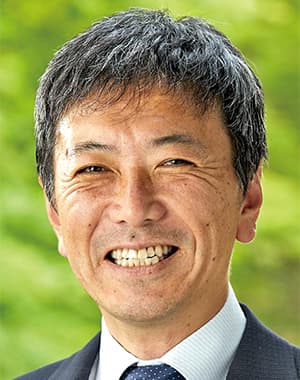
Yasuaki Hijioka
Director, Center for Climate Change Adaptation, National Institute for Environmental Studies (NIES)
Graduated from the University of Tokyo’s Department of Urban Engineering in 1996 and completed a Ph.D. in engineering in the same university in 2001. He joined NIES that same year. After holding various posts, including heading the Environmental Urban Systems Section at the Center for Social and Environmental Systems Research, he took up his current position in 2023. Since 2016, he has concurrently served as a visiting professor in the Department of Environment Systems at the University of Tokyo’s Graduate School of Frontier Science. His research interests encompass environmental systems engineering and urban engineering. He served as a coordinating lead author of the Working Group II contribution to the Intergovernmental Panel on Climate Change (IPCC) Fifth Assessment Report and as lead author of the IPCC special report Global Warming of 1.5°C.
Record-breaking heat, increasingly severe disasters, and declining yields of agricultural, forestry and fisheries produce around the world show that the impacts of climate change are exceeding the thresholds tolerable by human society. It is no longer sufficient to respond with attitudes such as, “That was our biggest-ever typhoon, so we’ll build an embankment of the size to guard against flooding.” To enable the next generation to live comfortable lives, our generation must join forces, think things through, and take action.
Aiming for effective promotion of adaptation measures
Measures to address climate change can be broadly categorized as either mitigation, which involves reducing emissions of the greenhouse gases that cause it, or adaptation, which means alleviating its adverse impacts (or increasing positive effects). Given the increasingly catastrophic effects of climate change seen in recent years despite the greatest possible efforts to implement mitigation measures, the importance of adaptation is obvious, and we need to move forward with both types of measures simultaneously.
In Japan, the Climate Change Adaptation Act came into force in 2018 to promote adaptation measures (Figure 1). This law aims to effectively promote adaptation measures by putting systems in place that will enable the national government, local governments, businesses, and the public to work together on such measures, and stipulates the roles of each.
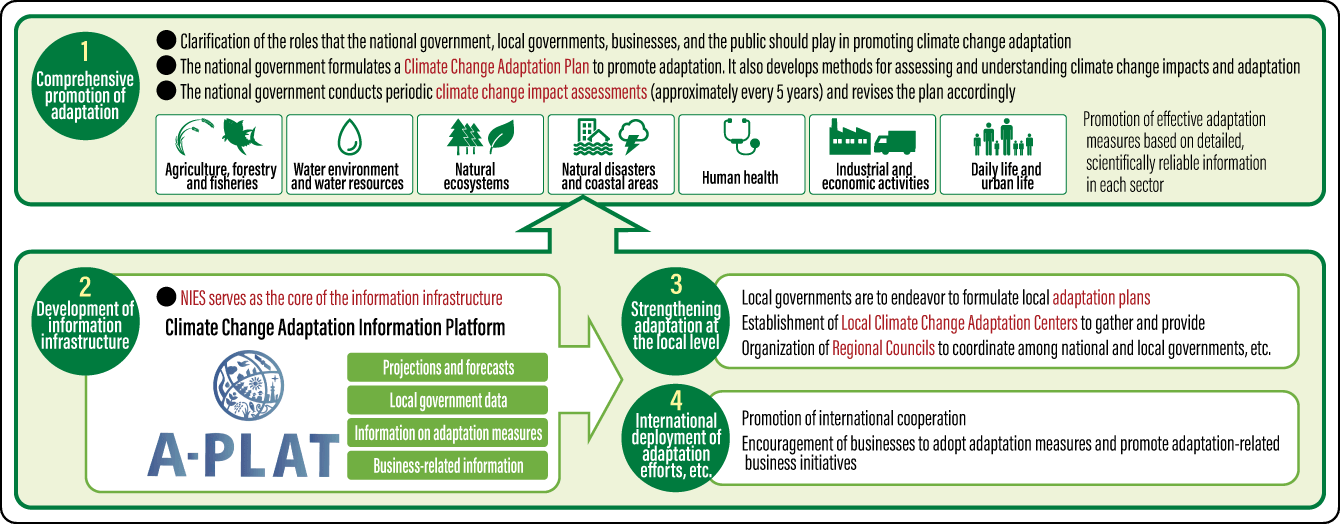 Compiled on the basis of A-PLAT summary of the Climate Change Adaptation Act
Figure 1. What is the Climate Change Adaptation Act (at the time of its 2018 entry into force)?When the Climate Change Adaptation Act first entered into force in 2018, it had four key pillars: (1) comprehensive promotion of adaptation; (2) development of information infrastructure; (3) strengthening of adaptation at the local level; and (4) international deployment of adaptation efforts. However, due to the marked rise in temperatures and repeated heat waves, the Act was amended in 2023 to strengthen heat-illness countermeasures; the revised Act fully entered into force in 2024.
One governmental effort prescribed in the Climate Change Adaptation Act is to formulate and put into practice a plan for adapting to climate change (the Climate Change Adaptation Plan), which sets out current and future impacts, as well as basic approaches to and policies on adaptation measures, covering seven key sectors: agriculture, forestry and fisheries; water environment and water resources; natural ecosystems; natural disasters and coastal areas; human health; industrial and economic activities; and daily life and urban life. As it will be important in the future to assess the extent to which climate change is progressing, the degree of impact it is having, and the state of progress with the Climate Change Adaptation Plan, the government will carry out a climate change impact assessment every five years or so and revise the adaptation plan in light of the results.
Efforts to develop and use information based on scientific knowledge relating to climate change impacts and adaptation are essential to promoting adaptation measures. The Climate Change Adaptation Act prescribes that the National Institute for Environmental Studies (NIES) is to serve as the key center for the development of information infrastructure relating to climate change adaptation and associated research. At the same time the Act entered into force, the Center for Climate Change Adaptation (CCCA) was established within NIES as the only organization promoting adaptation efforts that leverage scientific knowledge.
As well as gathering, collating, and analyzing information—including scientific knowledge and case studies—the CCCA uses the Climate Change Adaptation Information Platform (A-PLAT) to actively support adaptation measures and publicize information. The CCCA also encourages efforts to implement adaptation measures by such means as providing technical advice and support to local governments and businesses, conducting awareness campaigns, and giving lectures (Figure 2).
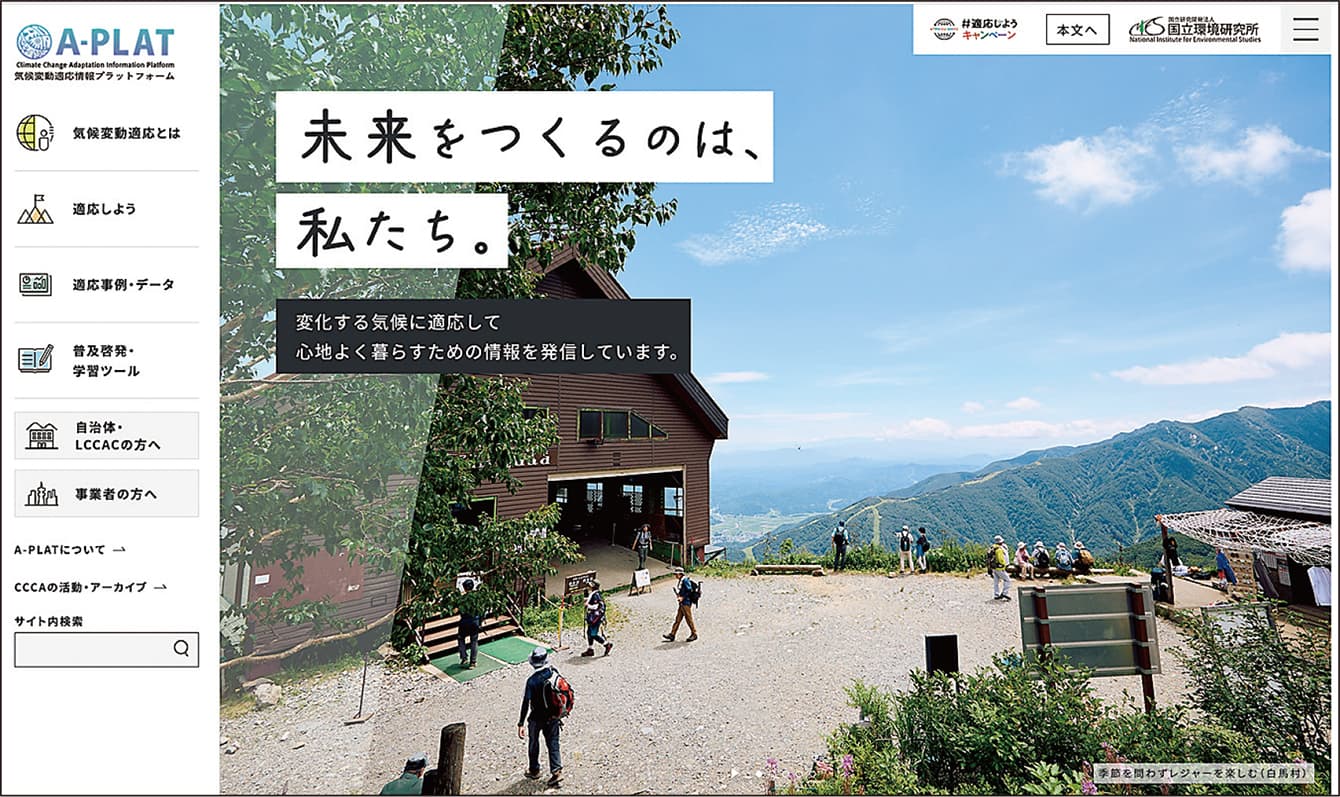
Figure 2. Climate Change Adaptation Information Platform (A-PLAT)A-PLAT is an information platform that promotes measures aimed at minimizing or avoiding the adverse impacts of climate change, and building a society that also leverages the positive impacts. It disseminates easily understood information, and provides support for the promotion of adaptation in such areas as agriculture and disaster prevention, to support adaptation efforts by the public, businesses, and local governments, among others.
In practice, it is local governments that promote the Climate Change Adaptation Act. As Hokkaido and Kagoshima Prefecture, for example, have completely different climates and socioeconomic situations, the climate change impacts they suffer also differ. Measures and practices tailored to each specific region are crucial; accordingly, the Act prescribes that Local Climate Change Adaptation Centers (hereinafter, “Local Adaptation Centers”) are to be established, with each center striving to formulate a local climate change adaptation plan, with the aim of strengthening adaptation in each area.
Climate change impacts are a crisis close to home
As of September 2025, there are 68 Local Adaptation Centers across Japan. The centers take the form best suited to the area they serve, while the establishing bodies differ from one region to another, ranging from local governments at the prefectural, government-designated city, and other municipality levels, to universities, research institutes, and private sector organizations, among others.
When the CCCA was first founded in 2018, we did not imagine that so many Local Adaptation Centers would be set up. As prescribed in the Act, there is an obligation to make efforts to establish them, but no penalties for not doing so, nor does the national government provide any funding or personnel for these centers. However, each region regards the impacts of climate change on disasters, produce, health, and the like as a crisis that is close to home. I think it is truly wonderful that local organizations have taken the opportunity when the Act entered into force to explore approaches suited to their region, open Local Adaptation Centers, and formulate and implement local climate change adaptation plans.
Among other activities, the CCCA provides the information required to formulate a plan tailored to each area, and checks the content of plans. We also carry out joint research with Local Adaptation Centers capable of conducting research, and support centers that lack sufficient personnel.
With regard to businesses, the Act prescribes that they are to endeavor to work on adaptation measures that align with the nature of their business, and to cooperate with national and local government adaptation measures. We at the CCCA provide businesses with information and support in doing so. Expectations for businesses are high, given the progress of such efforts as adaptation initiatives that use climate change to their advantage, including the development of disaster risk reduction and prevention-related products, plant varieties resistant to high temperatures, and summer resorts on mountains with ski resorts that lack snow in winter.
With regard to the public, the Act requires that they endeavor to increase their interest in and understanding of the importance of adaptation measures, and to cooperate with national and local governmental adaptation measures. Accordingly, the CCCA uses a wide range of approaches to provide support that will help to raise awareness in a way that will lead to people taking action. These measures include campaigns aimed at creating opportunities to address adaptation that people can take as individuals (Figure 3).
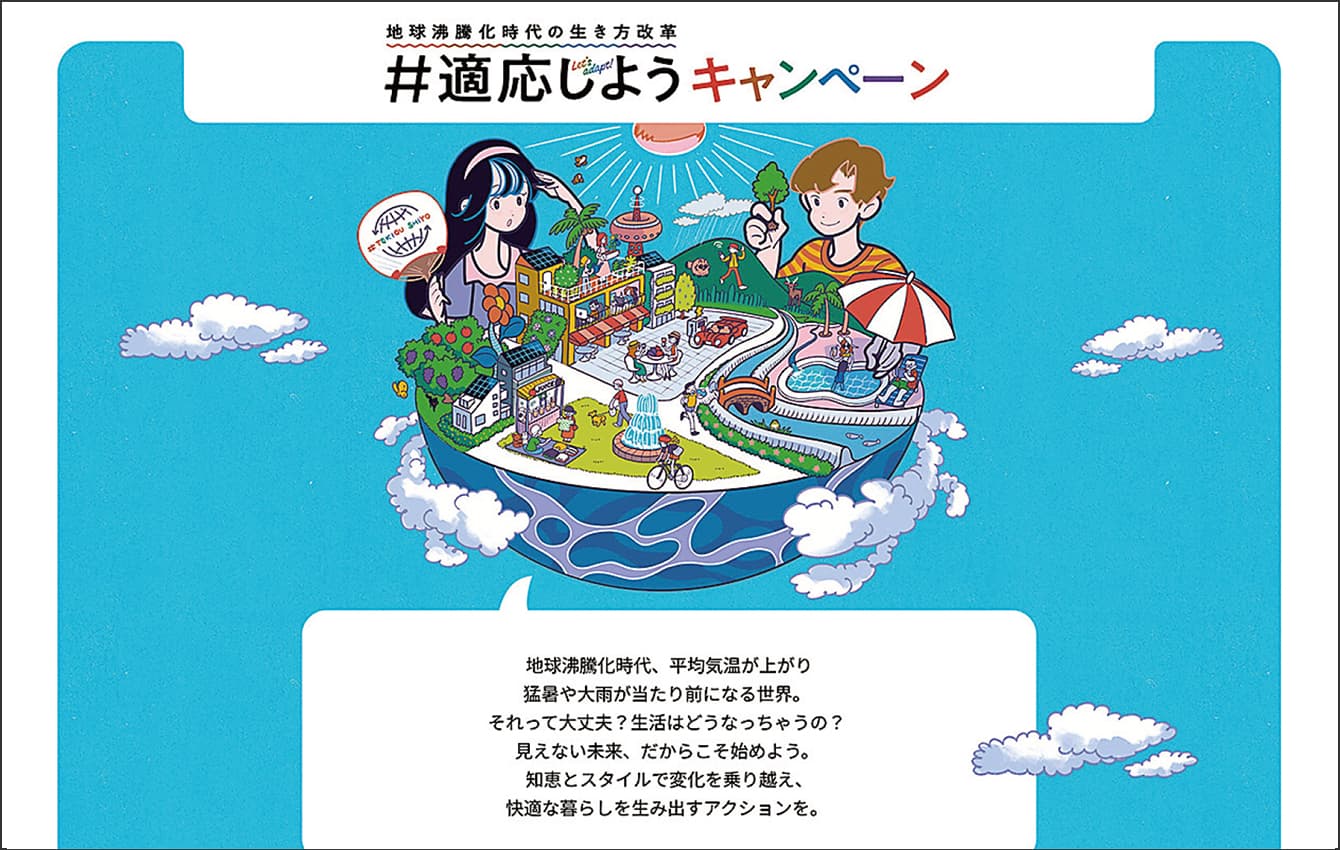
Figure 3. “#Let’s Adapt!” campaignThe CCCA is running a campaign that seeks to promote widespread take-up of adaptation actions by each and every member of the public, with the aim of preparing for climate change impacts so that each individual can enjoy a comfortable life. In collaboration with local governments, companies, organizations, and individuals involved in relevant initiatives, products, and services, it disseminates information and raises awareness.
Vital information needed by society
I originally set up A-PLAT in 2016 to serve as a website for publishing the research outcomes from a project undertaken by around 200 researchers, studying the future impacts of climate change on Japan. During the research period, I posted the research outcomes and other such information on the website, but as is often the case with project-based research, I did not even update the homepage once the research period ended.
However, even after the project had finished, I received a stream of inquiries from local governments that had read the website, asking me to provide them with information. The local government staff who contacted me were sincere in their desire to work on adaptation measures and to use the research outcomes in awareness projects and plans, which made me realize anew that it might well be vital information needed by society. With the permission of the project researchers, I put all the results of the research project on A-PLAT in a form that enabled users to download information as they chose.
With the aid of plenty of diagrams and photographs, A-PLAT provides easily understood explanations of everything from what climate change actually is to its impacts on various sectors, and adaptation efforts worldwide. The section on adaptation for individuals and communities offers numerous real-life examples of climate change adaptation measures that people can take in their daily lives straight away, along with activities in which they can participate. The case studies and data section includes interviews about various adaptation measures, such as stories about selective breeding of agricultural, forestry, and fisheries produce, and the development of products that have emerged from adaptation businesses. The content is designed to be enjoyable to read and browse. I strongly encourage all readers to take a look at it.
NIES also developed and operates the Asia-Pacific Climate Change Adaptation Information Platform (AP-PLAT), an information-sharing platform designed to support decision-making based on climate change risks and highly effective adaptation to climate change impacts in the Asia-Pacific region by national and local governments, as well as other actors. AP-PLAT’s activities cover three core areas: disseminating knowledge and information about climate change risks and examples of adaptation; developing and providing tools to support the formulation of adaptation measures; and human resource development and capacity building in the areas of climate change impact assessment and the formulation and implementation of adaptation plans.
Adaptation initiatives can be broadly classified into three stages. The first is adaptation based on vulnerability and exposure reduction by strengthening responses through development, planning, and practices including low-regrets measures and preventive measures. In other words, these are measures that we can work on now; a good example of such measures is the progress currently being made in installing cooling shelters (public facilities equipped with air conditioners) across Japan in order to prevent heat stroke.
- * Low-regrets measures: Initiatives whose benefits are shared with other social, economic, and environmental challenges, and that will yield advantages even if climate change does not occur, thereby making such measures easy to introduce.
Next comes incremental adaptation, which involves advancing adaptation measures by looking ahead to the addition of hazards and making the necessary adjustments to existing technologies, systems, policies, and value systems. These measures use the technologies we have now to prepare for future impacts. For example, they include developing rice varieties resistant to high temperatures, changing the timing of planting in anticipation of climate change, and introducing more effective irrigation methods.
Then there is transformative adaptation, which focuses on aiming for high targets on a large scale, including changing systems and our ideas and ways of thinking, in order to take maximum advantage of the effects of adaptation, because it is anticipated that we will inevitably face a severe situation if things remain as they are at present. Rather than selective breeding of rice, such measures include, for example, switching from rice to another crop as a source of income, or moving to live elsewhere to secure an income source.
Around seven years have passed since the Act entered into force, and adaptation efforts based on vulnerability and exposure reduction are being widely implemented in Japan, but transformative adaptation is particularly difficult at the moment. The town of Yoichi in Hokkaido used to be too cold an area in which to grow grapes to make wine, but warming has made it ideal for viticulture, so among other efforts, growers in the region are cultivating varieties suited to the climate and varieties capable of withstanding future high temperatures (Figure 4). In another case, a sake brewery in Nakatsugawa City in Gifu Prefecture relocated to a town in Hokkaido, aiming to overcome its difficulties in brewing sake by moving to another place. While these are both examples of transformative adaptation, they remain rare cases at present.
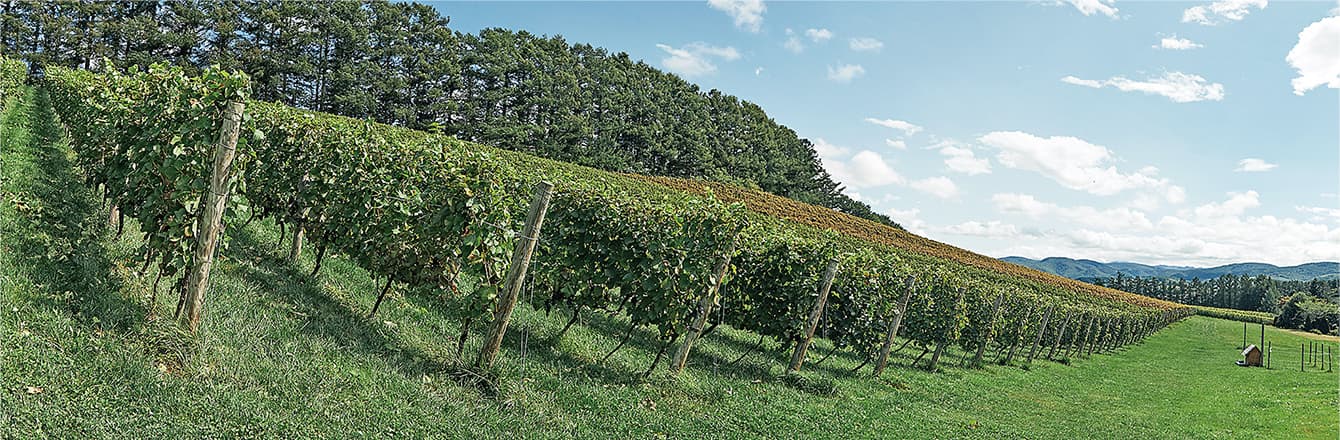
Figure 4. Vineyard in Yoichi Town, HokkaidoIn the Hokkaido town of Yoichi, warming has created weather conditions more suitable for growing grapes for winemaking, so the number of farms cultivating them is on the rise. However, if warming progresses, producers will have to make substantial changes to the varieties they cultivate, or even think about moving to an area more suitable for viticulture.
When thinking about a situation in which the temperature has increased by 2–3°C, mitigation measures to curb greenhouse gas emissions are essential, but it is nevertheless difficult to consider something that has not happened yet. We ought to discuss things like changing ways of working and the places where we live, but trying to put future-oriented measures into practice is virtually impossible when we have not thoroughly implemented the things we can do now. First and foremost, it is crucial for us to think hard about what we can do now and take action.
Lack of progress on local and individual measures against flooding
For example, at the moment, local and individual measures against flooding have not yet progressed to the extent that when an individual buys a house, they can say, “My house is fine,” even if there are frequent torrential downpours and a high risk of flooding. It is of paramount importance that each and every one of us take an interest in climate change, examine what adaptation measures we can take right now, and work on them. This includes checking local flood hazard maps and, if buying a house, choosing a location where there is a low risk of flooding; or, if one is already living in a place with a risk of flooding, making thorough preparations to evacuate in case of heavy rain. Rather than thinking “We’ve never had a flood before, so we should be fine,” I would like readers to think of the kind of floods that might occur as something that affects them directly, and to adopt a new attitude in order to diligently make preparations and put them into practice.
NIES was established in the 1970s, when pollution was a major problem. Since then, it has changed with the times; for instance, in our generation, it started working on global environmental problems, with research topics including the problems caused by plastics and per- and polyfluoroalkyl substances (PFAS). While things like water contamination caused by pollution can be seen with the naked eye, CO2 and other greenhouse gases are invisible and not palpable to us in our daily lives. Neither can we tell how much our own actions have reduced the amount of greenhouse gas emissions. Even if we can feel the effects of global warming caused by greenhouse gases in summer, amid a succession of heat waves, that sense of crisis recedes once winter comes.
What is important here is to not only think about what we should do to ensure our own generation can lead comfortable lives, but also consider how to enable the next generation to enjoy a pleasant lifestyle. That is our job, as adults. To achieve this, I believe what it comes down to is thinking hard about things like adaptation measures, agriculture, measures to combat health-related heat impacts, and disaster preparedness, then telling the public what preparations they should make, and having each individual take action to their full capacity.
At the same time, educating children is crucial. Although textbooks provide explanations about warming, mitigation measures, and adaptation measures, it would be preferable to increase children’s opportunities to learn.
Communities and individuals play leading roles in adaptation efforts, and effective examples of adaptation can be shared among numerous regions. As these become increasingly widespread, adaptation measures will become commonplace and the CCCA will, ideally, no longer be needed. While we face a mountain of challenges, I want us to keep working on adaptation measures, with the aim of reaching a future in which nobody has to worry about climate change, industry flourishes, and individuals can enjoy a good lifestyle.
(Figures courtesy of Yasuaki Hijioka)